Play Therapy
What is Play Therapy?
Play therapy blends proven clinical frameworks with the therapeutic powers of play to help children prevent and resolve a variety of difficulties and achieve healthy growth. By meeting children at their natural developmental level through their natural language of play, it serves as the childhood equivalent of adult talk therapy, helping them work through their emotional, communication, adjustment, and learning-related concerns.
PLAY IS THE LANGUAGE, TOYS ARE THE WORDS.
The Association for Play Therapy further states, “child play therapy is a way of being with the child that honors their unique developmental level and looks for ways of helping in the ‘language’ of the child – play.”
– Association for Play Therapy
Is Play Therapy right for your child?
If your child between the ages of 2 and 12 is experiencing one or more of the following signs, play therapy offers an evidence-based, trauma-informed path toward healing and emotional regulation.
Behavioral and Emotional Signs
Low mood
Anxiety
Phobias or fears
Temper tantrums
Anger, agression, or defiances
Bullying
Selective mutism
Ritualistic behaviors
Social concerns
Grief & loss
Low frustration tolerance
Behavioral regressions
Life Change, Stress, or Trauma
Major changes
Divorce
Foster care / adoption
Car accidents
Physical injuries
Animal bites
Relational loss
Domestic violence
Community violence
Any type of abuse
Neglect
Natural disasters
Every child develops at their own pace. While play therapy is highly effective for the typical 2-to-12 age range, some children around 9 or 10 years old may begin showing readiness for traditional talk therapy or a mix of both. Conversely, some older pre-teens still respond best to the expressive nature of play. An initial assessment by a qualified counselor will help determine if this is the best approach for your child’s unique needs.
Why Play?
You may be wondering why play would be a recommended way to help children overcome their problems.
The answer is child development.
Your child’s brain is still growing; during the years that play therapy is recommended (ages 2 to 12), a child’s language and logic centers are still rapidly under construction. From their earliest days, children naturally use play to explore their environment, understand the world, and process their day-to-day experiences and emotions.
Adults can utilize a fully developed brain to combine introspection, logic, and reasoning with language skills, allowing them to tell a therapist exactly what they are feeling and why. Children simply cannot do that yet. They need distinct, tangible outlets to externalize their internal world.
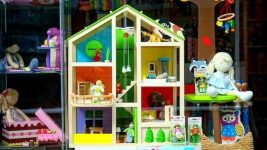
By creating a safe, intentional play environment (whether using puppets, drawings, dollhouses, a sand tray world, or other expressive mediums), children can process their feelings and make sense of their experiences without needing adult logic. Through play therapy, children leverage their imagination, creativity, and storytelling to express themselves, role-play real-world challenges, problem-solve, and build lasting emotional skills.
Models of Play Therapy
There are two foundational approaches to play therapy, each offering unique paths toward emotional growth and healing.
DIRECTIVE PLAY
The therapist chooses and leads the activities, utilizing a highly structured plan and targeted interventions to address specific client concerns. While directive play therapy can be very beneficial, it may not work for every situation. Some children may feel pressured or constrained by a highly structured approach.
Examples
Theraplay, Cognitive Behavioral Play Therapy, Mutual Storytelling Technique, Bibliotherapy, Structured Art Interventions, Sand Tray
CHILD-CENTERED PLAY
The therapist follows the child’s lead and pace, operating under the underlying belief that the child possesses an innate ability to express their experience through play, which the therapist can then respond to within the play space. Child-centered play therapists are trained to recognize play themes, promote self-control, encourage emotional regulation, and foster mastery through reflective responses and unconditional positive regard.
Examples
Experiential Play Therapy, Filial Therapy, Gestalt Play Therapy, Adlerian Play Therapy, Synergetic Play Therapy, Child-Centered Play Therapy, Sand Play
Is game playing really therapy?
Game playing can be used in therapy for very specific and useful purposes. Whether or not it constitutes true play therapy is a different question, which is addressed below.
The following are some ways that game play can be highly useful to a clinician, even if they aren’t a traditional play therapist. First, introductory games may be used as a comfortable method to engage a child in traditional talk therapy.
Furthermore, games function as an excellent tool to help the therapist build initial rapport. They can even be used to ease situational anxiety through playful distraction, helping the child become more comfortable opening up about difficult topics. Later in a session, game play can serve as a rewarding milestone for a child’s hard work in therapy that day.
Most importantly, game play can also be a vital part of true play therapy! Because play therapy uses clinical theory to establish a therapeutic process, resolving problems and supporting healthy growth through the “therapeutic powers of play,” game playing fits naturally into this framework. Specifically, game play may be exactly what a child chooses to express themselves. Rich themes like winning and losing, power and control, depression, and helplessness can all be expressed during a game. Additionally, critical skills like frustration tolerance and anxiety regulation are frequently targeted through these models in directive play therapy.